
Our Surgical Services
Comprehensive general surgery care tailored to your individual health needs.
Thyroid Surgery
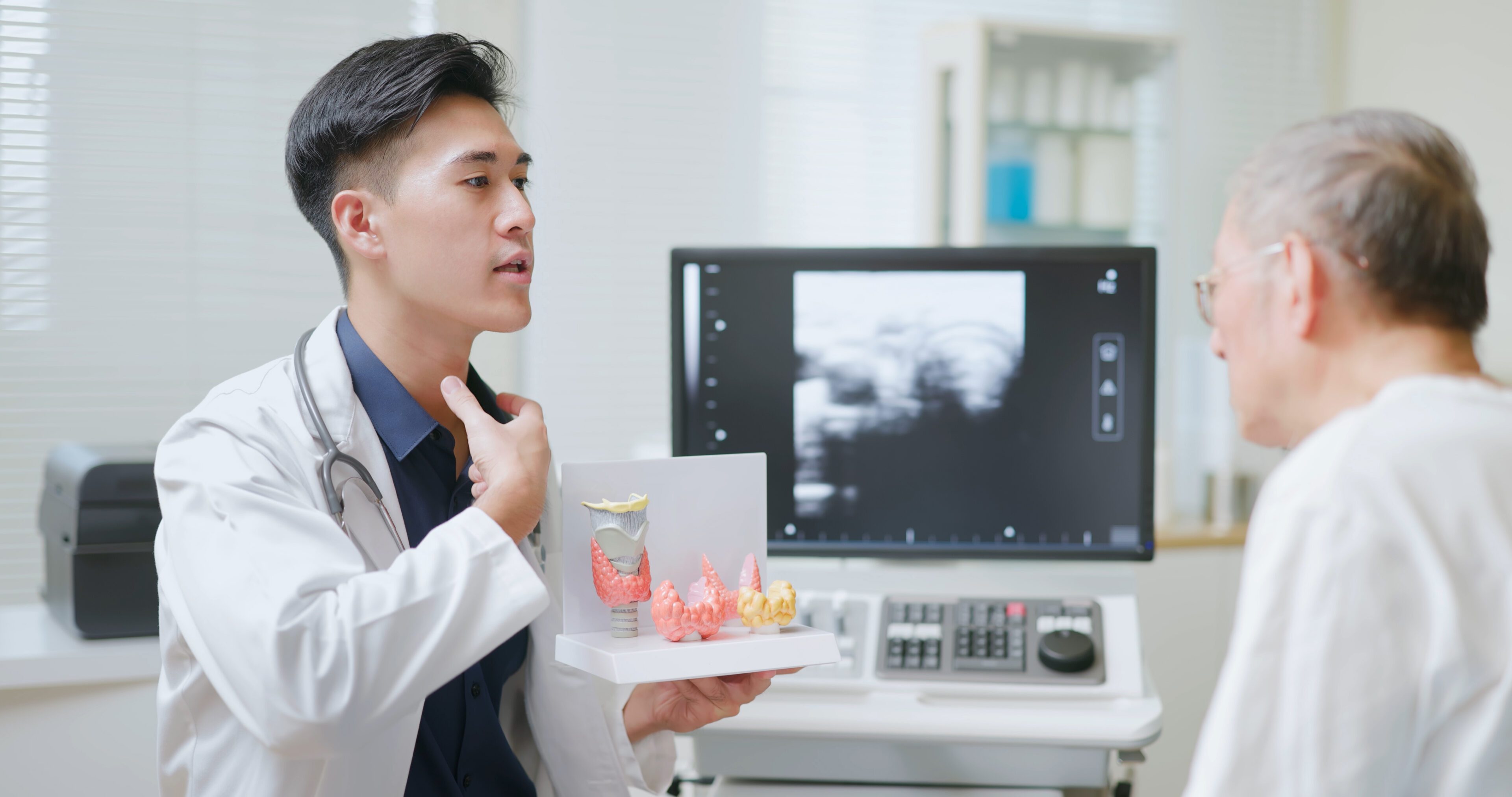
What is a Thyroid?
The thyroid is a butterfly-shaped gland on the front of the neck that controls metabolism and is often called the thermostat of the body.
Thyroid Conditions
There are many disorders of the thyroid gland that can occur and most do not require surgery.
- Hypothyroidism- A condition in which the thyroid gland doesn't produce enough thyroid hormone.
- Hyperthyroidism- A condition in which the thyroid gland produces too much thyroid hormone.
Thyroid Surgery
Thyroid problems that may necessitate surgery include hyperthyroidism resistant to medical management, an enlarged thyroid gland that is causing symptoms, suspicious thyroid nodules, and thyroid cancer.
What is the Gallbladder?
The gallbladder is a small muscular sac that is attached to the underside of the liver and stores bile. Bile helps aid your digestion.
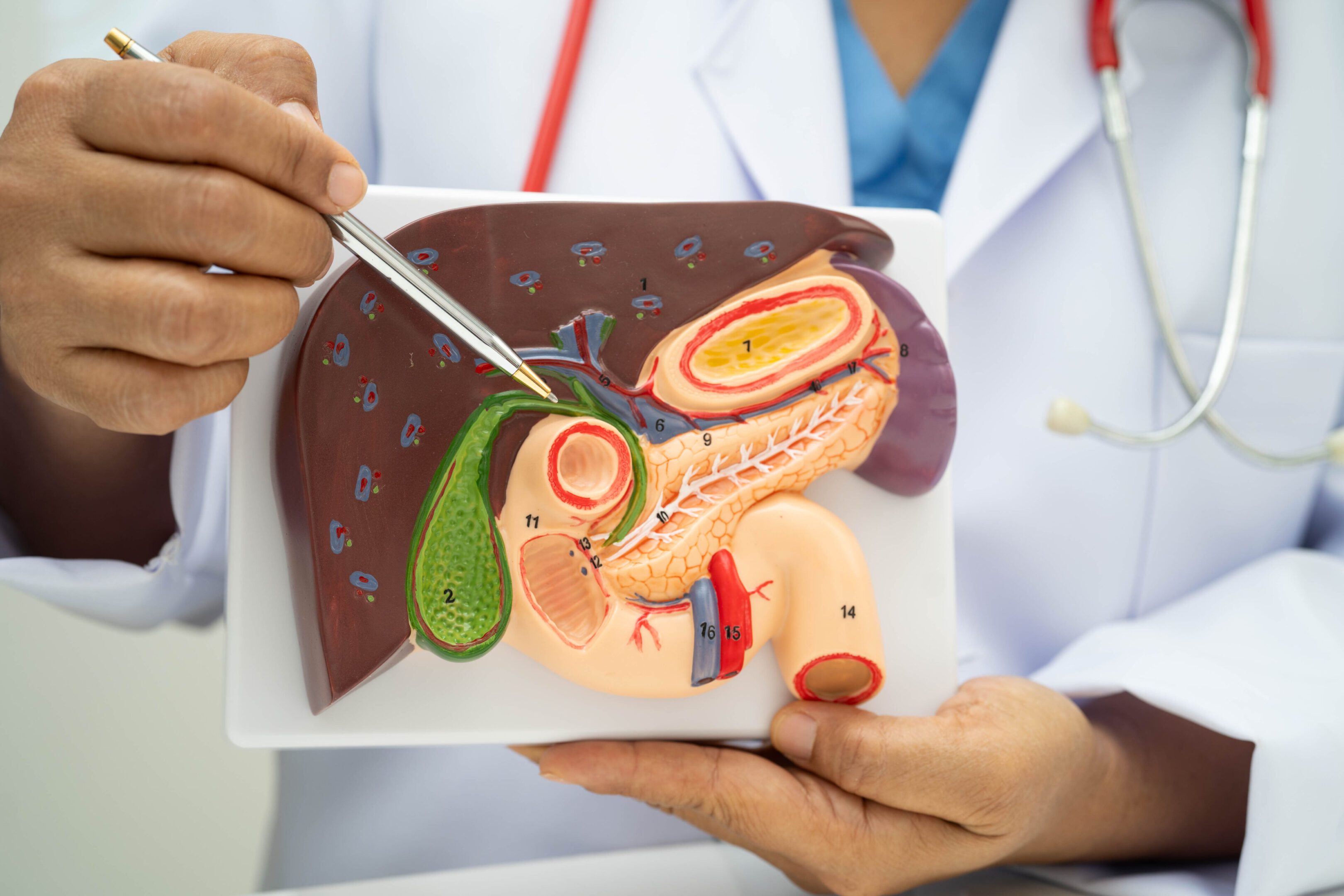
What Are Gallbladder Issues?
Gallbladder issues can cause indigestion, right-sided abdominal pain, back pain, nausea, vomiting, jaundice, diarrhea, and, rarely, pancreatitis.
What is Gallbladder Surgery?
Surgery to remove the gallbladder can be for gallstones or gallbladder dysfunction, called biliary dyskinesia. The surgery to remove the gallbladder is normally performed laparoscopically with 4 small incisions. It is an outpatient surgery and often is completed at the surgery center.
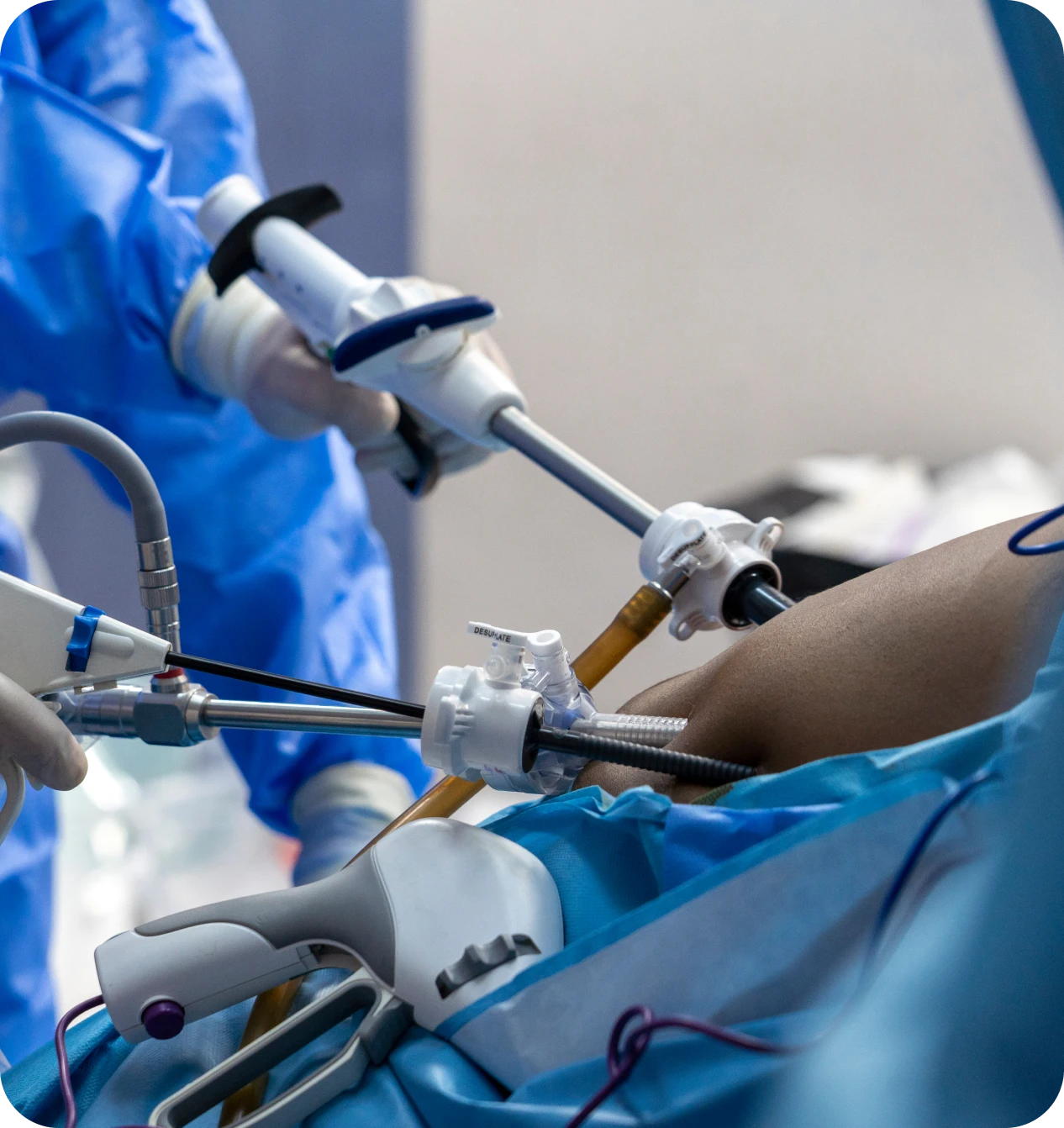
What is a Hernia?
A hernia is a bulge or protrusion of any tissue through an area that it doesn't belong. Hernias are most often found in the abdominal wall. They can, however, occur anywhere in the body.
What is Hernia Surgery?
There are multiple different ways to repair a hernia depending on size, location, overall health and baseline activity level of a patient. Your surgeon will review your symptoms, goals for quality of life and expectations, and create a surgical plan that is tailored to your needs. Many hernias require a scaffold, or mesh material, for your scar tissue to heal in a strong and lasting manner, but some hernias can simply require repair with suture.
Breast Surgery
Breast surgery can address multiple issues, including benign growths, nipple discharge, or cancer.
The most common form of treatment for breast cancer is surgery to remove the breast tumor. Some patients with breast cancer may have chemotherapy first to shrink the tumor. By making the breast tumor smaller, patients may have the option of breast-conserving surgery or lumpectomy instead of a mastectomy.
We understand how difficult having breast cancer is and will walk with you through the entire process, keeping your goals and priorities at the forefront of your treatment. We are sensitive to each patient’s feelings and needs and work closely with you for the best possible surgical outcome.
Breast Biopsy
Most abnormalities in the breast are found on physical exam, mammogram, or ultrasound. If you need a biopsy, it is often performed at Montrose Regional Health by a radiologist under imaging guidance. Many benign, non-cancerous growths do not require surgery. These include fibroadenomas and cysts. If it is a growing lesion or painful, a small lumpectomy can remove the lesion, often with good cosmetic.
Mastectomy
If a mastectomy is determined to be the best surgical option for a cure, the breast can be reconstructed at the same time as surgery or at a later time.
Checking Lymph Nodes
Surgery is also used to check the lymph nodes under the arm for cancer. Options for this include a sentinel lymph node biopsy, which removes 1-4 lymph nodes, or an axillary (armpit) lymph node dissection, which removes 10-30 lymph nodes.
Colon Cancer
Colon cancer is the third most common type of cancer in both men and women, where abnormal cells in the colon or rectum divide uncontrollably, eventually forming a malignant tumor. Colon cancer is successfully treated for many patients with a combination of surgery and sometimes chemotherapy.
The rates of new colon cancer cases and deaths for adults are decreasing due to the U.S. Preventive Services Task Force (USPSTF) recommendation to screen for colon cancer beginning at age 45.
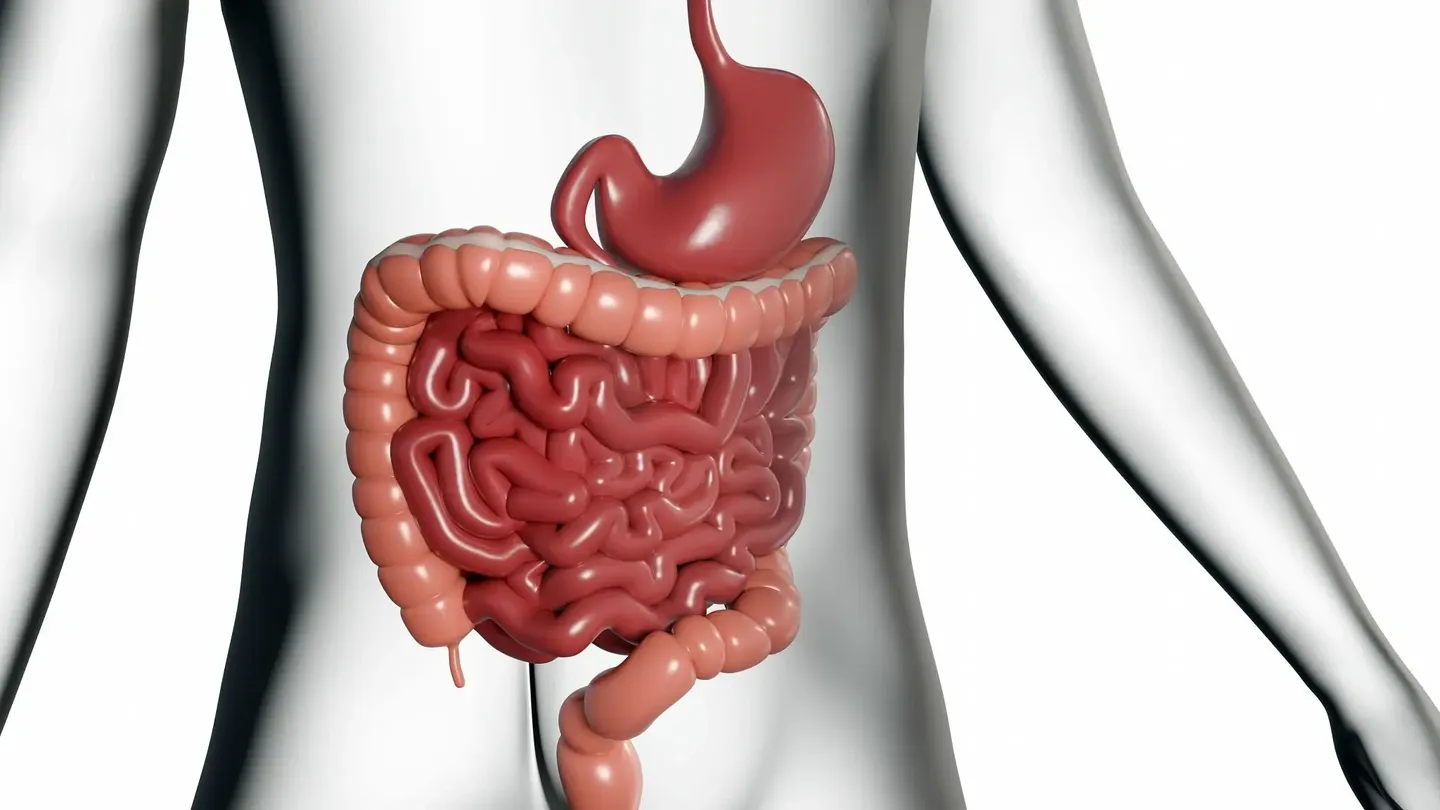
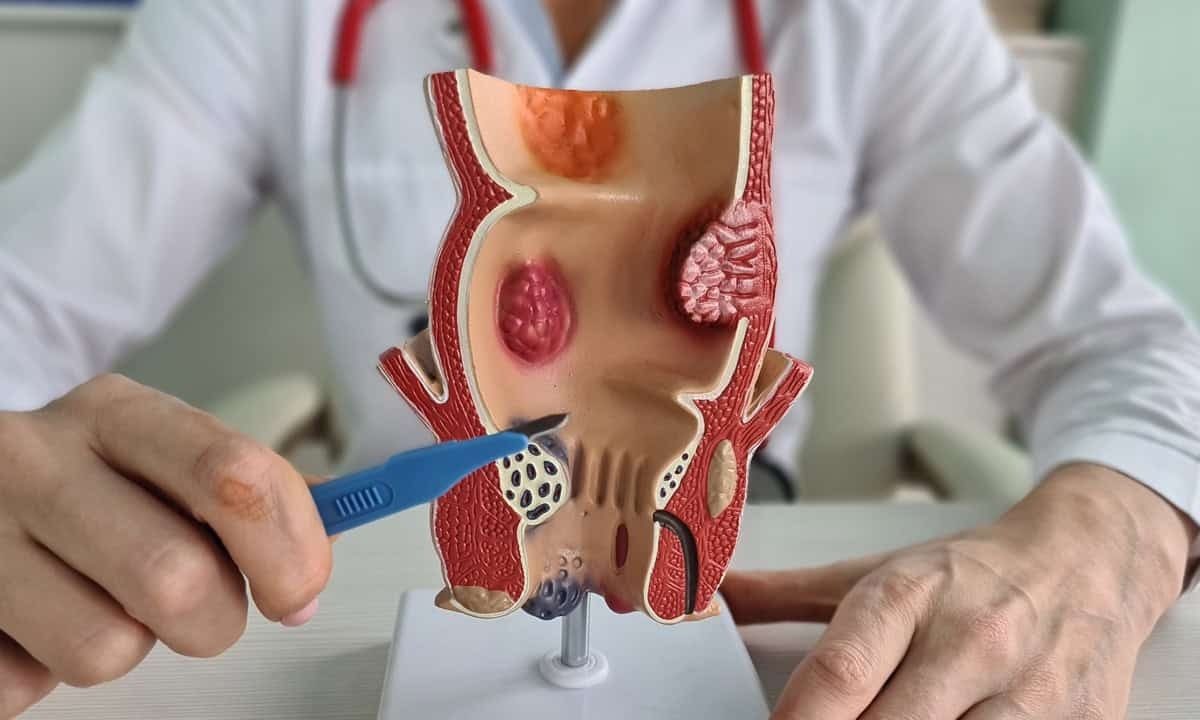
Hemorrhoids
Hemorrhoids are normal blood vessels around your rectum and anus. They can become enlarged and symptomatic, causing bleeding, pain, itching, and anal leakage. Hemorrhoids are typically managed without surgery initially. We will review different lifestyle modifications to help manage your hemorrhoid symptoms. If symptoms fail to improve, various other personalized treatment options are available. These symptoms range from anti-inflammatory suppositories, office-based banding of internal hemorrhoids, or surgical excision of internal or external hemorrhoids.
Endoscopy
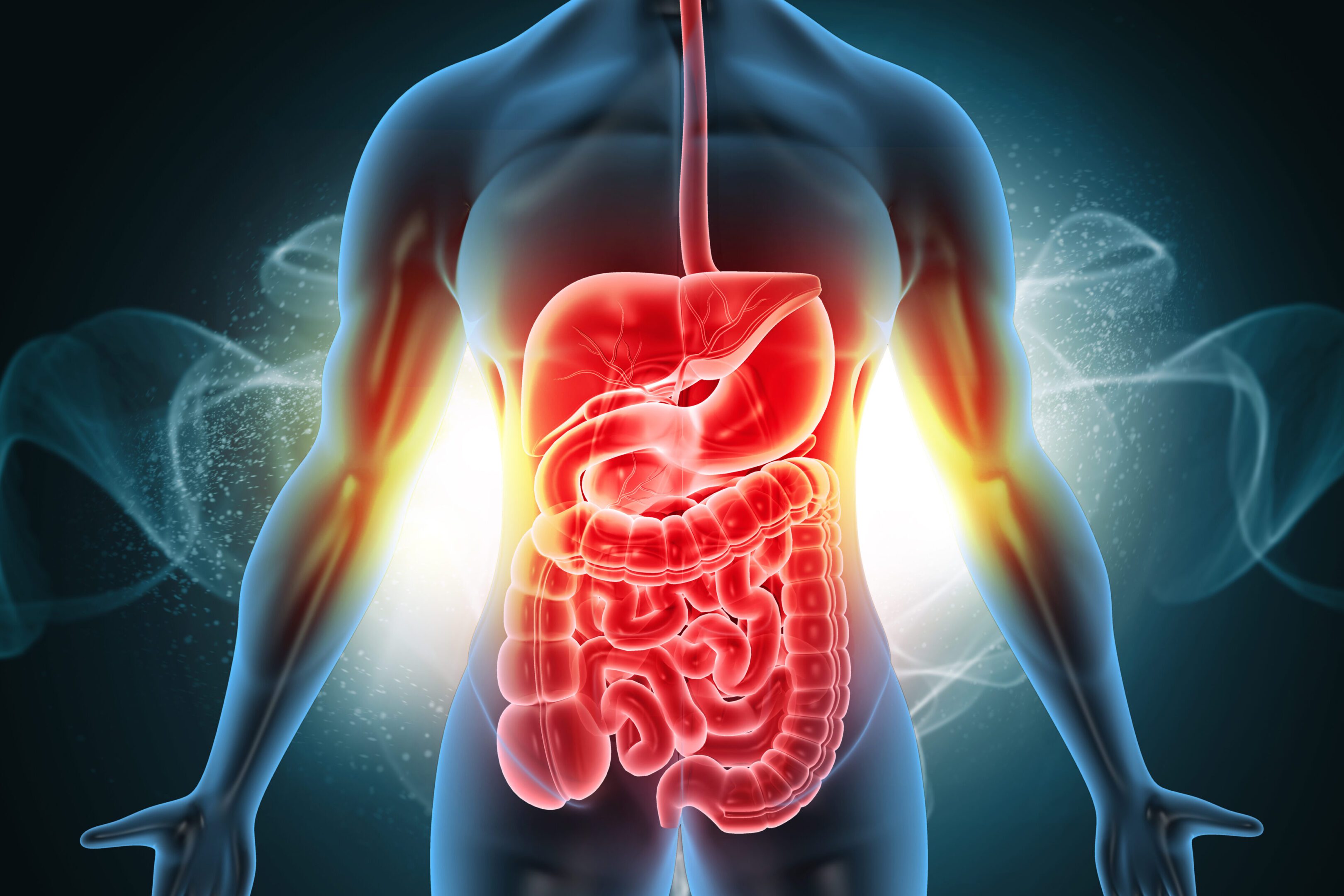
This procedure helps to diagnose and follow known disorders of the upper GI tract including ulcers, cancer, trouble swallowing, anemia, pain, acid reflux, and Barrett's esophagus.
Direct Colonoscopy
Direct colonoscopy allows healthy adults to schedule a colonoscopy without an initial office visit. Our office staff will get all of your information over the phone, saving you time and the expense of an office visit. We understand that patients can have hectic schedules, and finding time to see a doctor can be a difficult task. The goal of this program is to make sure that busy patients have absolutely no reason to skip this important test.
Who is a Candidate for Direct Colonoscopy?
Patients are offered the opportunity to participate in this type of colon cancer screening program based on a review of their health records, medical history, and risk factors. These might include age, personal or family history of colon polyps, family history of colon cancer, or certain signs of potential cancer. This program is not intended for patients who have serious symptoms that might need to be discussed in detail before a colonoscopy. Healthy patients without any serious medical problems are eligible for a direct colonoscopy.
Is Having a Colonoscopy Without a Consultation OK?
For patients who are appropriate candidates for this type of program, the answer is “Yes.” A study including almost 16,000 patients was conducted from 2006 through 2010 by the Henry Ford Hospital to find out how well direct colonoscopy programs work. The results showed conclusively that direct colonoscopy programs are both safe and effective. The patient outcomes, including risks and complications, were no higher for direct colonoscopy patients than for patients who received a consultation. This type of initiative can save lives by ensuring
that patients can easily access this important screening test. Patients still receive one-on-one attention over the phone and email, covering all the necessary instructions, information, and education about the colonoscopy prior to their procedure.
What if a Patient Does Want a Consultation?
Participation in our direct colonoscopy program is simply a convenience that many patients find helpful. We will never rush you to make any decision regarding your medical care. If you have any questions or concerns that are not fully addressed prior to your procedure, or if you would feel more comfortable or confident with more time to speak with our surgeons, please do schedule a consultation.
Robotic Surgery
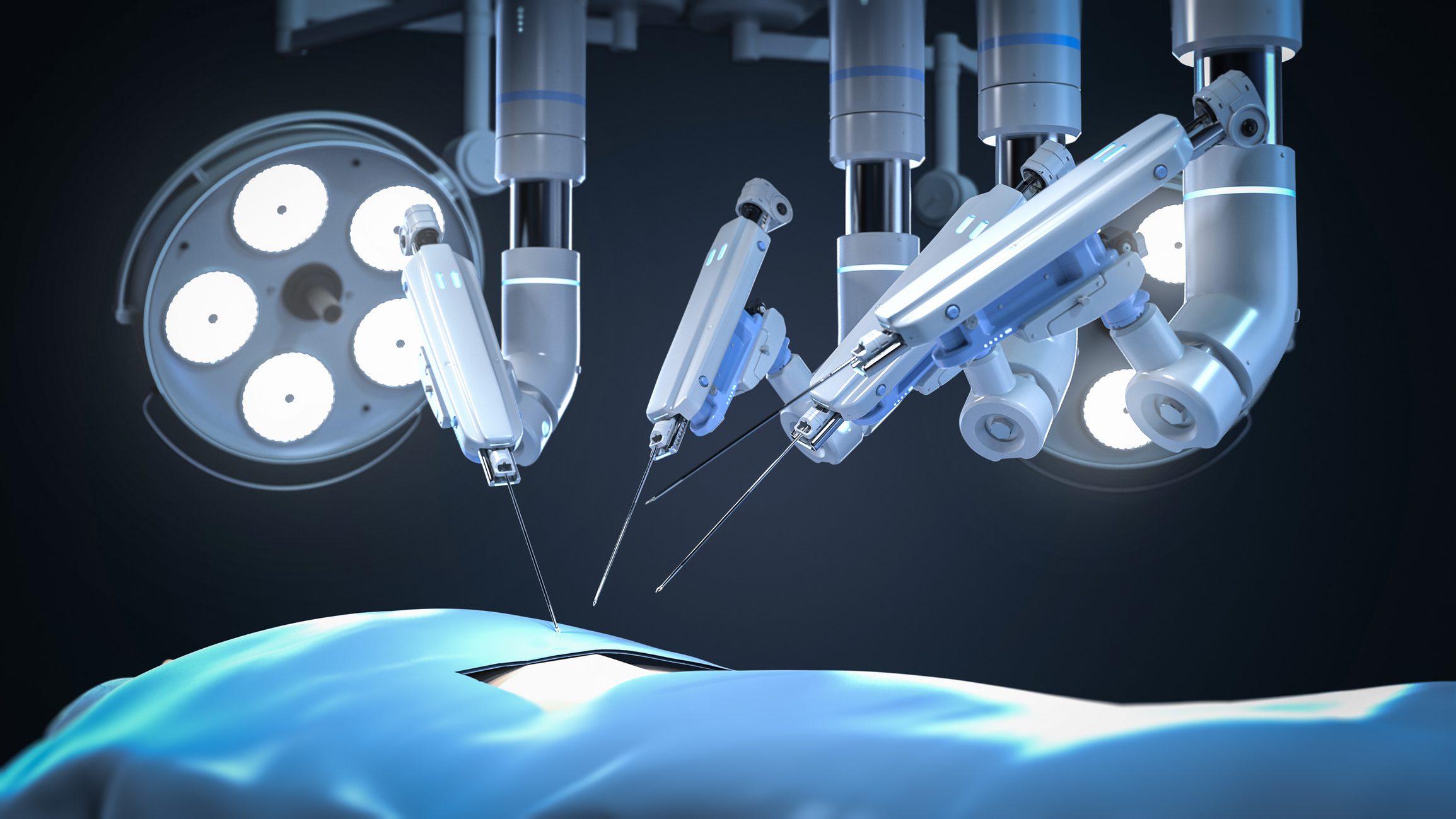
Robotic surgery is a minimally invasive way for our surgeons to perform certain operations using advanced technology. During the procedure, your surgeon controls small surgical instruments attached to robotic arms while viewing the surgical area on a high-definition, 3D screen. The robot does not operate on its own—your surgeon is in full control at all times.
At our practice, robotic surgery is commonly used for:
- Abdominal wall hernias
- Inguinal hernias
- Paraesophageal and hiatal hernias
- Colectomies (colon surgery)
Robotic surgery is performed through a few small incisions rather than one large cut. This approach allows for precise movements and better visualization, especially in areas that are difficult to reach with traditional surgery.
For many patients, robotic surgery may offer benefits such as:
- Less pain after surgery
- Smaller scars
- Lower risk of infection
- Shorter hospital stays
- Faster return to daily activities
Recovery is often quicker than with open surgery. Many patients are able to get out of bed soon after surgery, begin eating within hours, and go home the same day or the next day, depending on the procedure.
Robotic surgery is not the best choice for every patient. Your surgeon will consider your specific condition, medical history, and surgical needs when deciding which approach is safest and most effective for you.